

The tools behind the little green box

Your whole project.
More possibilities.

Migration, collaboration, agent memory, and CI.
Built on Git. Under your control.

A builder and a friendly robot assemble colorful tools around an open green project box, with a planning diagram, lightbulb, and check mark.

Bring the project. Leave yourself an exit.

Change platforms.
Keep the context.

Migration deserves more than a zip file of source code. Bring selected history and collaboration into a portable project, inspect it offline, and keep working locally.

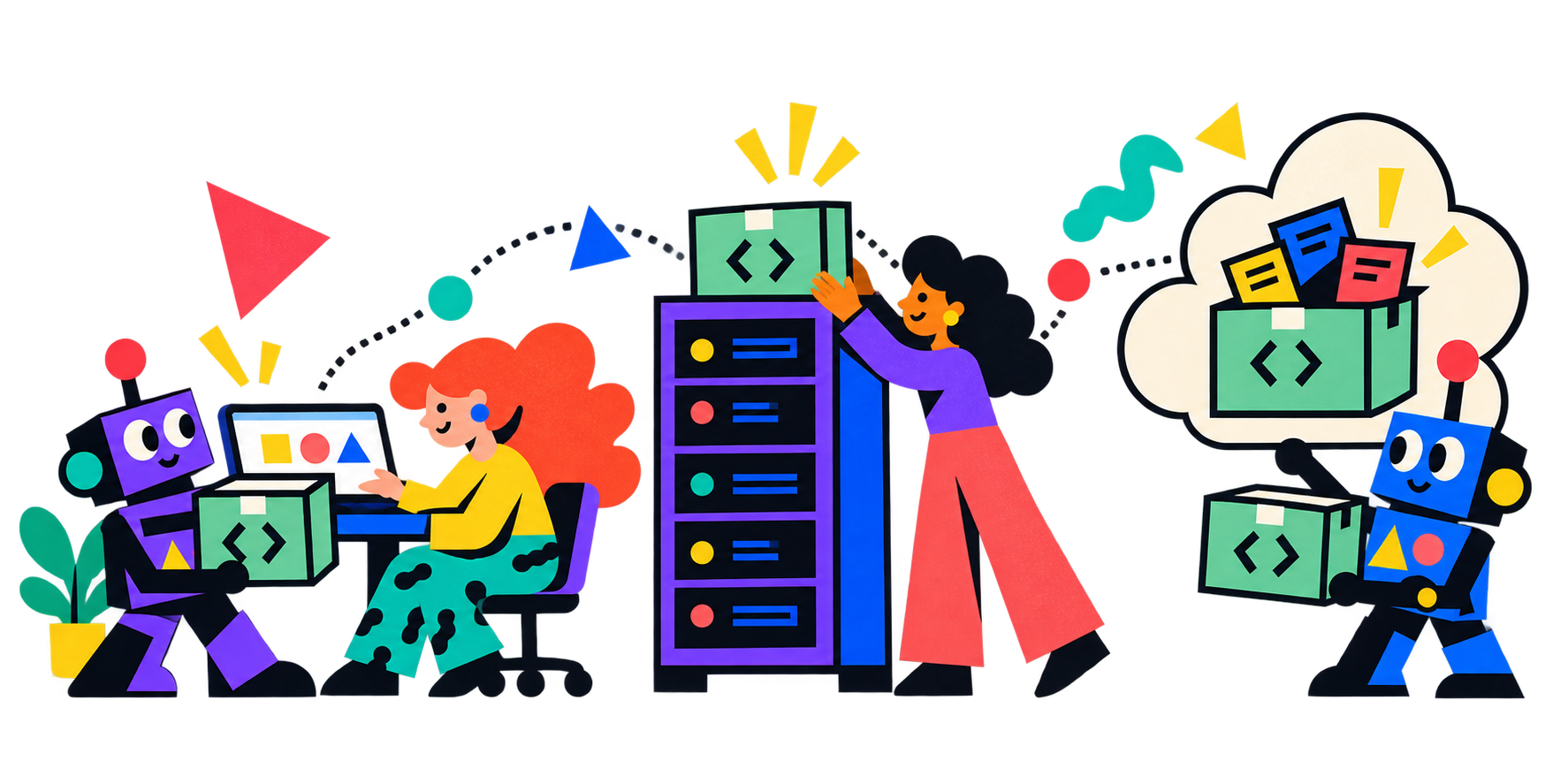
People and friendly robots choose local, server, and cloud homes for their green project boxes.

Your next home is your choice.

Run Hubnot locally without a provider account. Exchange native collaboration through a compatible Git remote on infrastructure you choose. Use optional migration adapters to bring supported records from existing services or recreate supported content at a new destination.

Save a migration plan, review the mappings and anything that cannot transfer, then explicitly apply it. Local repositories and portable archives work without a cloud service.

Plan your migration ↗

Included migration adapters

  • GitHub
  • GitLab
  • Forgejo / Codeberg
  • Gitea
  • Bitbucket Cloud
  • Azure DevOps

Capabilities vary by provider and API version. Bitbucket Cloud is source-only; preserving a record does not always mean recreating it in another service.

See supported mappings ↗
A NOTE ON HOSTING

Choose a compatible home for native collaboration.

Migration adapters and native hosting compatibility are separate. Native collaboration requires a Git remote that transports Hubnot’s custom refs. The compatibility guide records direct local Git and GitHub.com observations; other hosts and configurations need verification.

Read the hosting compatibility guide ↗

For people. For agents. For the whole project.

New session.
Same project memory.

Plans, decisions, handoffs, checks, and reviews belong with the work. Hubnot gives agents a deliberate memory system and gives your project its own CI.

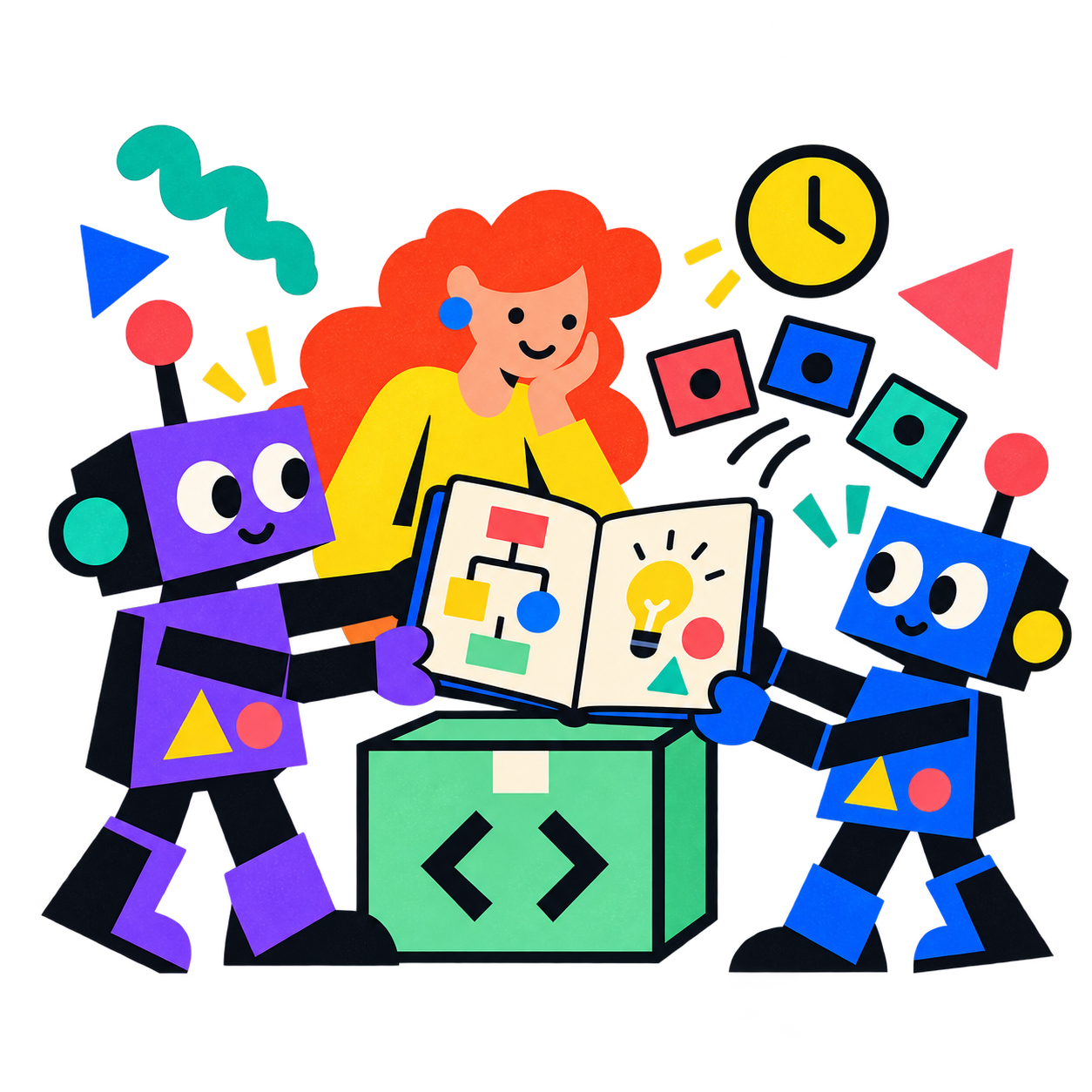
Two boxy robots share a notebook of project context while a red-haired collaborator looks on.AGENT MEMORY

Give the next agent a head start.

Record decisions, assumptions, attempts, observations, and verifications against exact commits. Hand off what is complete, what is blocked, and what comes next. Recall relevant, policy-qualified context locally, and carry selected signed memory streams through Git.

You choose what gets recorded. Memory is explicit project context, not automatic transcript capture or permission to act.

Explore agent memory ↗
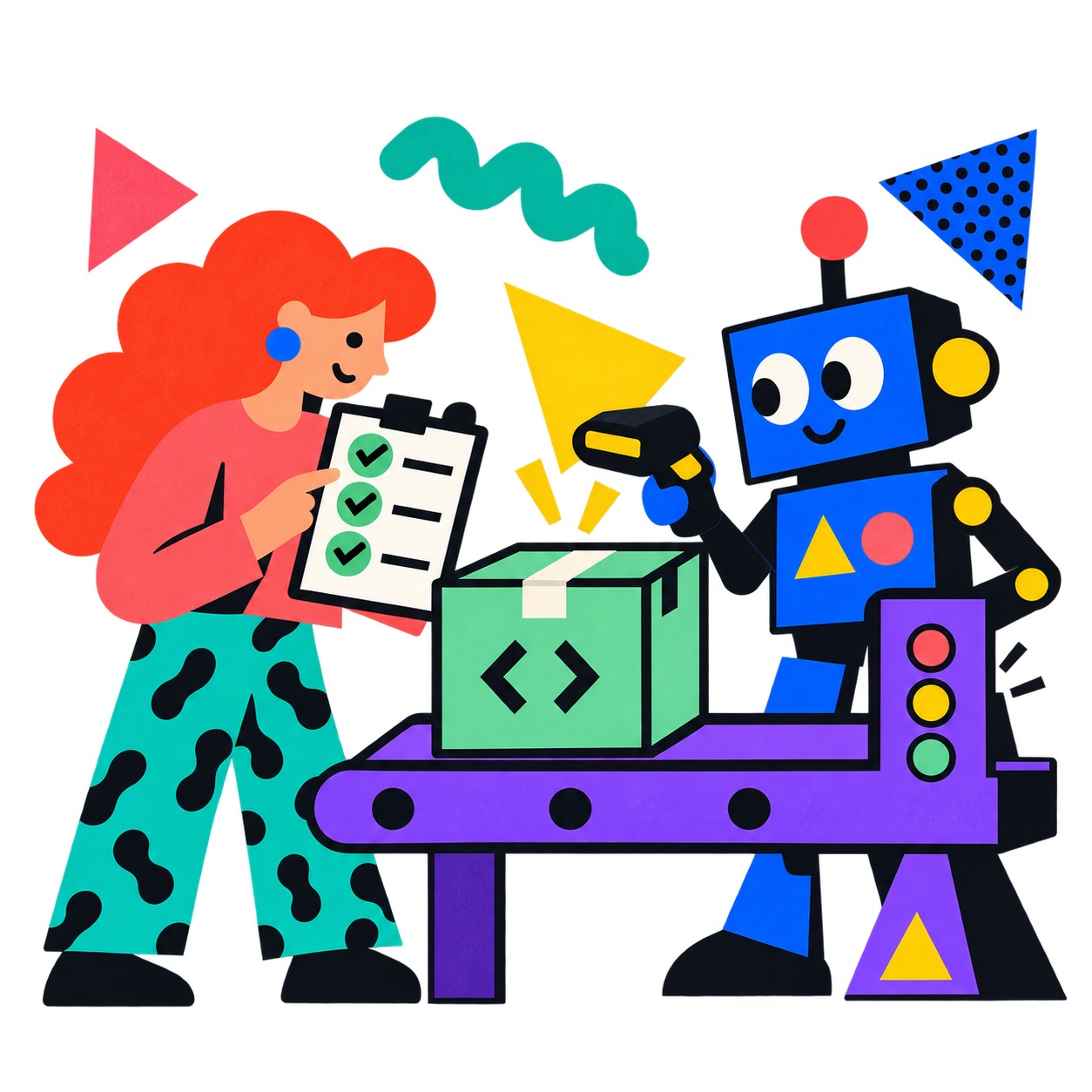
A robot scans a green project box while a collaborator verifies the checks at their testing station.NATIVE CI + WORKERS

Your checks. Your runners.

Define pipelines in the repository. Request checks against an exact proposal and commit. Run your own workers once or in watch mode, accepting only the pipeline names and request signers you select.

Runners publish signed results and logs. Repository policy defines which runners and passing results count toward acceptance. Linux includes a Bubblewrap sandbox; backend support and execution limits are documented.

Meet the CI runners ↗
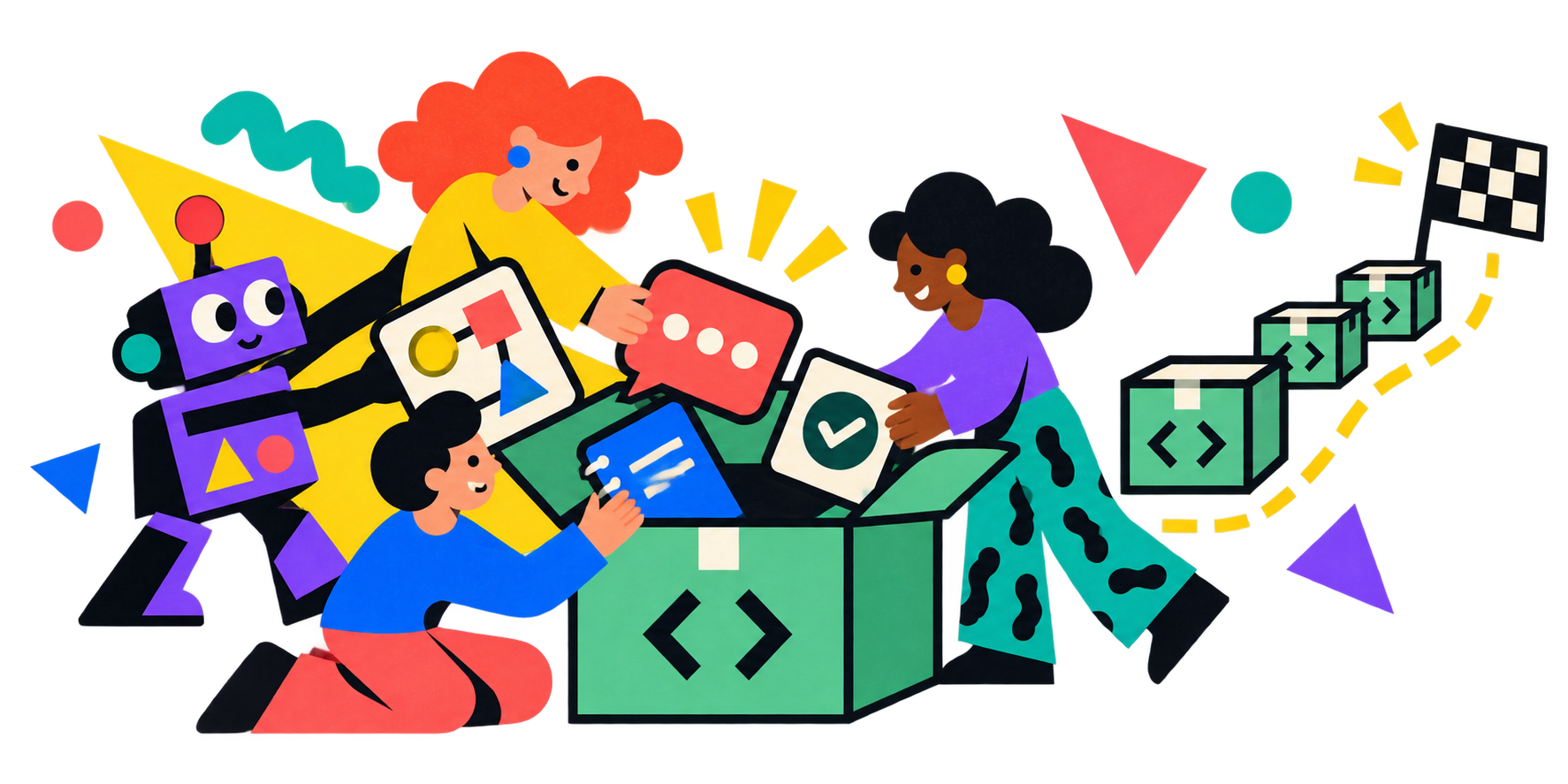
People and a friendly robot add plans, discussion, notes, and checks to one project box on its way to delivery.

From the first project decision to the change you ship.

Keep your charter in Git. Plan with native projects and issues. Carry decisions through agent memory. Propose, review, test, and govern merges with signed evidence. Connect the resulting work to your own release and deployment process.

Follow the review-to-merge workflow ↗